





The healthcare industry is witnessing a major paradigm shift, and one of the essential elements of this change is interoperability in healthcare, i.e., the exchange of data between various healthcare solutions.
Interoperability is becoming more than necessary due to its significance when it comes to improving patient outcomes, operational effectiveness, and evidence-based decision-making processes.
With organizations such as ClinDCast providing consulting, integration, and training solutions for healthcare organizations and health insurance companies, the future looks promising for interoperability in healthcare This blog post we will discuss Real-World Examples of Successful Healthcare Interoperability.
Healthcare Interoperability – The Concept
Healthcare interoperability can be defined as the capability of systems to securely exchange patient data via Electronic Health Record (EHR) systems, laboratories, health insurance companies, and mobile apps.
FHIR is used to facilitate data sharing through the adoption of current web technologies, including REST APIs, JSON, and XML.
What does that mean?
● Availability of relevant data on time
● Coordination of care
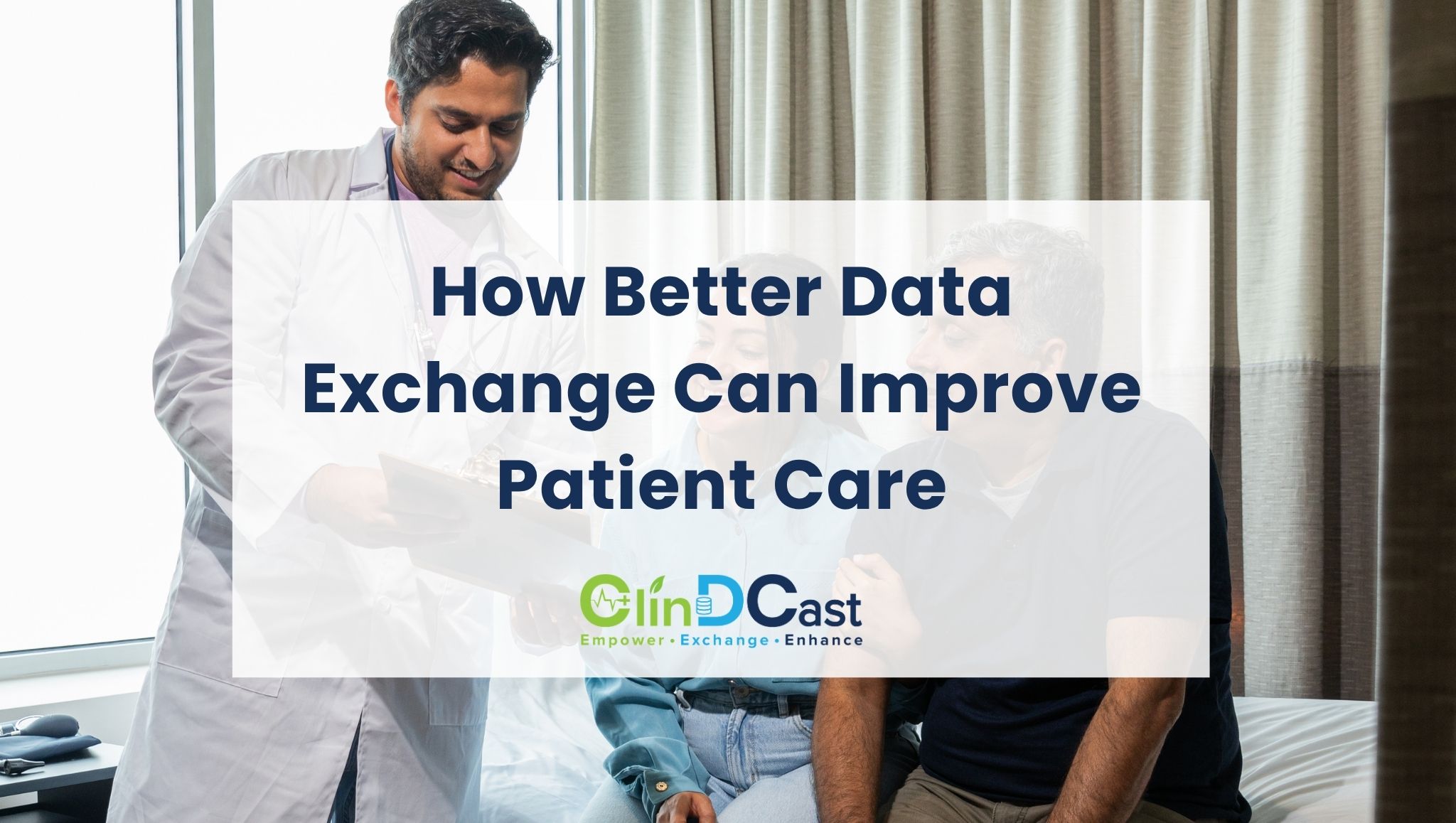
1. Seamless Flow of Information Between Healthcare Organizations
Another highly significant illustration of interoperability is the exchange of information among different hospitals and healthcare centers.
Scenario in Real Life:
The individual goes to various healthcare facilities for consultations, testing, and other health-related needs.
In the Absence of Interoperability:
● Separate files
● Repetitive test procedures
● Slower diagnosis
In the Presence of Interoperability:
● Single and complete file of the patient available instantly
● Prevention of unnecessary repeat tests
● Quick diagnosis and decision-making
● Such integration can be achieved through EHR integration and interface design, which is offered by ClinDCast.
2. Real-Time Clinical Communication and Coordination
Today’s healthcare system demands instantaneous communication among care teams. Interoperability ensures that these systems remain in sync regardless of platform differences.
Applications such as FHIR-based synchronization make it possible for several applications to present the same clinical context to end users in real-time.
Real-World Benefits:
● All doctors, radiologists, and nurses see the same information at once
● Communication gaps minimized
● Immediate reaction to emergencies
● ClinDCast facilitates these scenarios using the FHIR-based approach and APIs.
3. Patient Access to Health Information Using Mobile Applications
A good illustration of how interoperability can be utilized in healthcare includes patient-centered access to information.
Thanks to interoperability today:
● Patients will gain access to health information from mobile applications.
● Exchange data with care professionals immediately.
● Monitor prescriptions, test results, and treatment procedures.
● The FHIR standard has become critical in this regard because it facilitates information transfer among multiple systems.
Advantages:
● Patient engagement is enhanced
● Self-management of health issues improved
● Transparency is increased.
● ClinDCast assists organizations in developing patient-facing portals and APIs for interoperable data sharing.
4. Predictive Analytics and Population Health Using Data Integration
Healthcare facilities have started using interoperable data for performing predictive analytics.
Real-World Application Example:
By integrating data from:
● Hospitals
● Lab data
● Wearable devices
● Pharmacy databases
Healthcare facilities can:
● Predict patient readmissions
● Identify vulnerable communities
● Enhance strategies for preventive care
This will be extremely difficult without any form of interoperability owing to data siloing.
ClinDCast makes this possible using:
● Data integration tools
● Analytics based on FHIR standards
● Interoperability tools for consolidated data access
5. Interoperability in Provider-Payer Integration
Interoperability is now shaping the way healthcare providers work with payers.
Challenges in Traditional Approach:
● Paper-based claims submission
● Slower approvals
● Higher administrative costs
Interoperable Solutions:
● Automation of claims submission and prior authorizations
● Immediate data transfer
● Reduced reimbursement cycle times
ClinDCast provides interoperable provider-payer integration services.
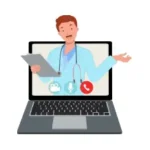
6. Telehealth Interoperability and Remote Healthcare Integration
Telehealth has gained a lot of ground, and interoperability is a key ingredient for its success.
Real-life Scenario:
Patient makes use of telehealth application integrated with:
● EHR systems
● Remote healthcare monitoring gadgets
● Pharmacy software
This makes it possible for providers to:
● Gain access to patient information from anywhere
● Monitor the health status in real-time
● Provide personalized care
The ClinDCast platform offers interoperability with telehealth applications through platform-based integration and API-based architecture.
The Necessity of Expert Consultancy and Training for Achieving Interoperability
It is clear that there are advantages to interoperability but challenges remain.
Typical Challenges:
- Existing systems
- Data normalization problems
- Compliance
- Professional skills shortages
This is what sets ClinDCast apart.
ClinDCast Services Include:
- Consulting on IT in healthcare
- Integration of EHR & LIS
- Implementation of FHIR & HL7
- Data Migration and Conversion
- Development of an interoperability strategy
Moreover, ClinDCast delivers world-class training via its FHIR Academy to help professionals acquire practical knowledge of interoperability.
Training Features:
- In-person instruction
- Hands-on tasks
- Certification exams
- Practical case studies
Future of Healthcare Interoperability
The future of healthcare will be characterized by connection, information, and a focus on patients.
These are some emerging areas:
● Artificial intelligence-based healthcare
● Applications using SMART on FHIR framework
● Real-time information systems
● Interoperability standards on a global scale
Organizations that embrace interoperability now will be better positioned to provide healthcare services efficiently and effectively.
Conclusion
The real-life application of interoperability in the healthcare industry shows how transformative it can be, from interconnected delivery of care to advanced analytics and empowering patients.
But realizing interoperability involves more than technological solutions—it needs vision, knowledge, and education. That’s why you need the expertise of companies such as ClinDCast. ClinDCast specializes in consultancy, interoperability solutions, and training.