






Rural healthcare is experiencing significant change. Across the United States, healthcare organizations are focused on expanding patient access, improving the quality of care, and creating more sustainable ways to deliver healthcare services. Initiatives like the Rural Health Transformation Program (RHTP) are helping drive this progress by encouraging providers to modernize operations and adopt advanced healthcare technologies.
At the heart of these efforts are Electronic Health Records (EHRs). What started as a digital alternative to paper-based records has grown into a comprehensive platform that supports care coordination, interoperability, telehealth, population health initiatives, and value-based care. For rural hospitals and healthcare providers, Role of Electronic Health Records in Rural Health Transformation an essential part of long-term growth and success.
Why EHRs Matter in Rural Healthcare
Rural healthcare providers face a unique set of challenges compared to larger urban health systems. Staffing shortages, limited access to specialists, long travel distances, and financial pressures can all affect how care is delivered and managed.
Electronic Health Records help overcome many of these barriers by creating a more connected healthcare ecosystem where critical patient information is available whenever and wherever it is needed.
Rather than depending on disconnected systems and manual processes, healthcare teams can access real-time patient information, improve workflow efficiency, and make informed clinical decisions more quickly.
Improving Care Coordination Across Multiple Providers
Many rural patients receive treatment from several healthcare providers throughout their care journey. For example, a patient may see a primary care physician, visit a specialist in another city, and later receive care at a regional hospital. When systems are not connected, important health information can become fragmented across different facilities.
EHRs help strengthen care coordination by:
- Creating a centralized patient record that can be accessed across multiple care settings.
- Giving healthcare professionals instant access to medical histories, medications, allergies, and treatment plans.
- Minimizing duplicate tests and unnecessary procedures by making information easier to share.
- Supporting more efficient referrals and smoother transitions between providers.
With a complete picture of a patient’s health history, clinicians can make better-informed decisions and provide safer, higher-quality care.
Supporting Healthcare Interoperability
A key objective of healthcare modernization is interoperability—the ability of different healthcare systems to exchange and use patient information effectively. Today’s EHR platforms are built around interoperability standards such as FHIR, HL7, and Health Information Exchanges (HIEs).
This enables healthcare organizations to:
- Securely share patient information among hospitals, clinics, laboratories, and specialists.
- Improve emergency care by providing immediate access to critical medical records.
- Reduce administrative work associated with manual data entry and document transfers.
- Deliver a more seamless and connected patient experience.
For rural healthcare organizations, interoperability helps close geographic gaps and supports continuity of care across different providers.
Enabling Telehealth and Virtual Care
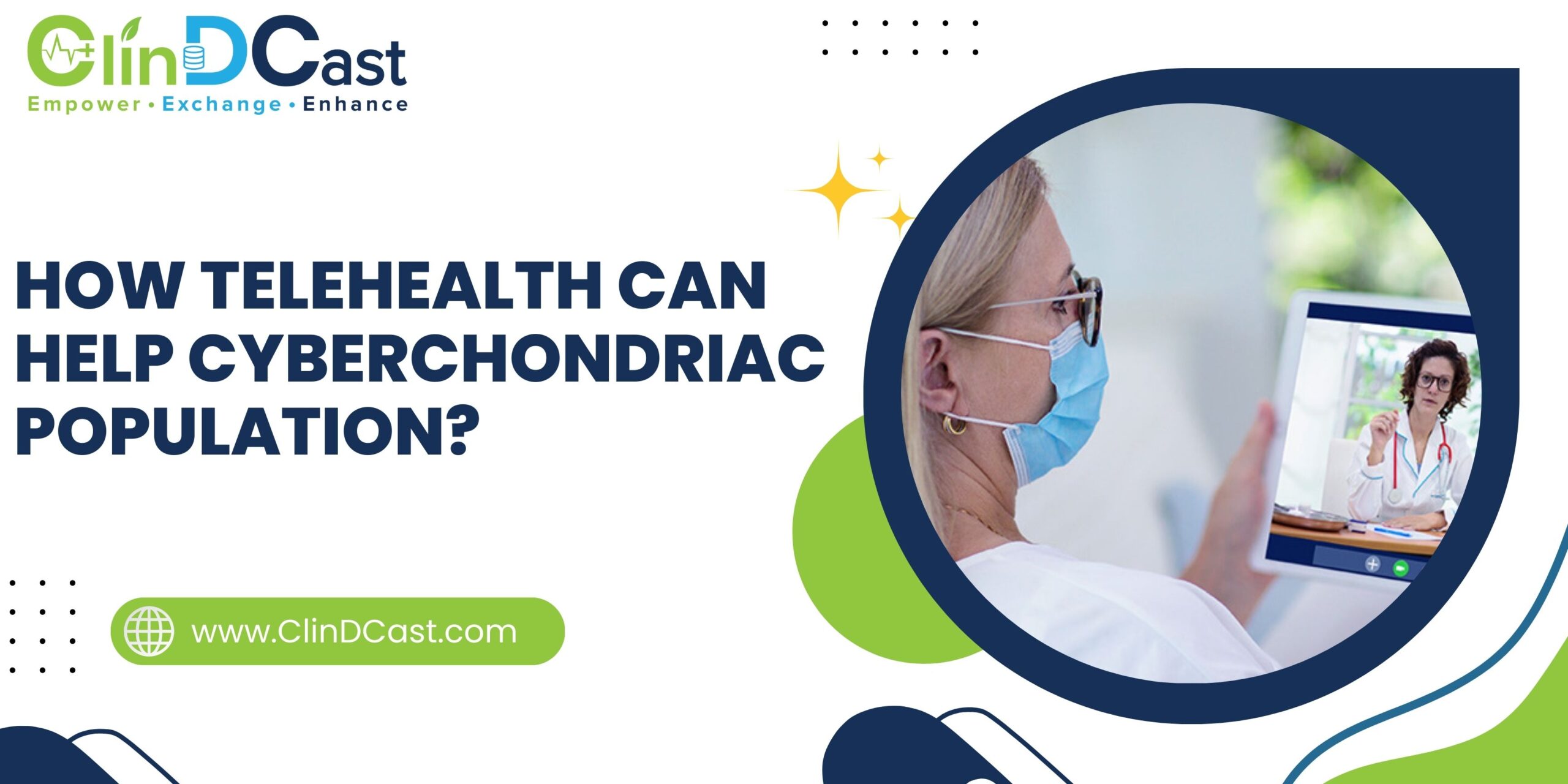
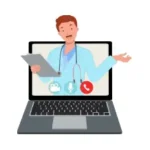
Telehealth has become a vital resource for rural communities, especially in areas where specialist care may be difficult to access. When telehealth solutions are integrated with EHR systems, providers can offer virtual care more effectively and efficiently.
Healthcare organizations can:
- Access complete patient records during virtual appointments.
- Record visit details directly within the EHR platform.
- Coordinate follow-up treatment and specialist referrals.
- Maintain consistent care regardless of where the patient is located.
This integration improves healthcare accessibility while reducing the need for patients in remote areas to travel long distances for care.
Strengthening Population Health Management
Healthcare organizations are placing greater emphasis on improving the health of entire populations rather than focusing solely on individual treatments. EHR systems provide powerful analytics and reporting tools that make this approach possible.
Providers can use EHR data to:
- Identify patients who may be at greater risk for chronic diseases.
- Track preventive care efforts and screening participation.
- Monitor health patterns and trends within local communities.
- Develop targeted programs designed to improve health outcomes.
These insights enable organizations to make more informed decisions and support healthier communities overall.
Supporting Value-Based Care Initiatives
The healthcare industry continues to shift toward value-based care models that reward quality outcomes rather than the volume of services provided. Achieving success in these programs requires accurate data, ongoing performance monitoring, and strong care coordination.
EHRs support value-based care by helping organizations:
- Measure quality indicators and performance benchmarks.
- Detect care gaps that need attention.
- Track patient outcomes and hospital readmission rates.
- Produce reports required for compliance, reimbursement, and regulatory programs.
Reliable healthcare data is essential for organizations that want to succeed in value-based care environments.
Improving Operational Efficiency
Administrative responsibilities continue to place a heavy burden on many rural healthcare organizations. Electronic Health Records help reduce this burden by automating a variety of routine tasks.
Common advantages include:
- More efficient clinical documentation with less paperwork.
- Improved scheduling and patient management workflows.
- Greater billing accuracy and stronger revenue cycle performance.
- Faster access to reports, records, and compliance documentation.
These improvements allow healthcare teams to spend more time focusing on patient care and less time handling administrative tasks.
Challenges Rural Organizations Should Consider
While electronic health record (EHR) systems can deliver major advantages, implementing them successfully takes more than just installing new software. Healthcare organizations often face obstacles such as limited budgets, staffing shortages, complex data migration projects, resistance to change, and increasing cybersecurity demands.
To improve the chances of a smooth transition, healthcare leaders should start by assessing their existing technology infrastructure and identifying areas that need improvement. Bringing key stakeholders into the process early, gathering feedback from end users, and creating a well-defined modernization roadmap can help keep projects aligned with broader organizational objectives. With careful planning and a strategic approach, organizations can reduce implementation risks, avoid costly setbacks, and move forward with their digital transformation initiatives more efficiently.
Partnering with ClinDCast for Rural Health Transformation
ClinDCast partners with healthcare organizations to modernize EHR systems, enhance interoperability, and improve overall operational performance. Leveraging deep expertise in Healthcare IT, data analytics, program management, and digital transformation, we help providers navigate complex technology initiatives and achieve their RHTP objectives. Our approach focuses on creating efficient, connected healthcare environments that support better patient outcomes, stronger organizational performance, and long-term sustainability.