




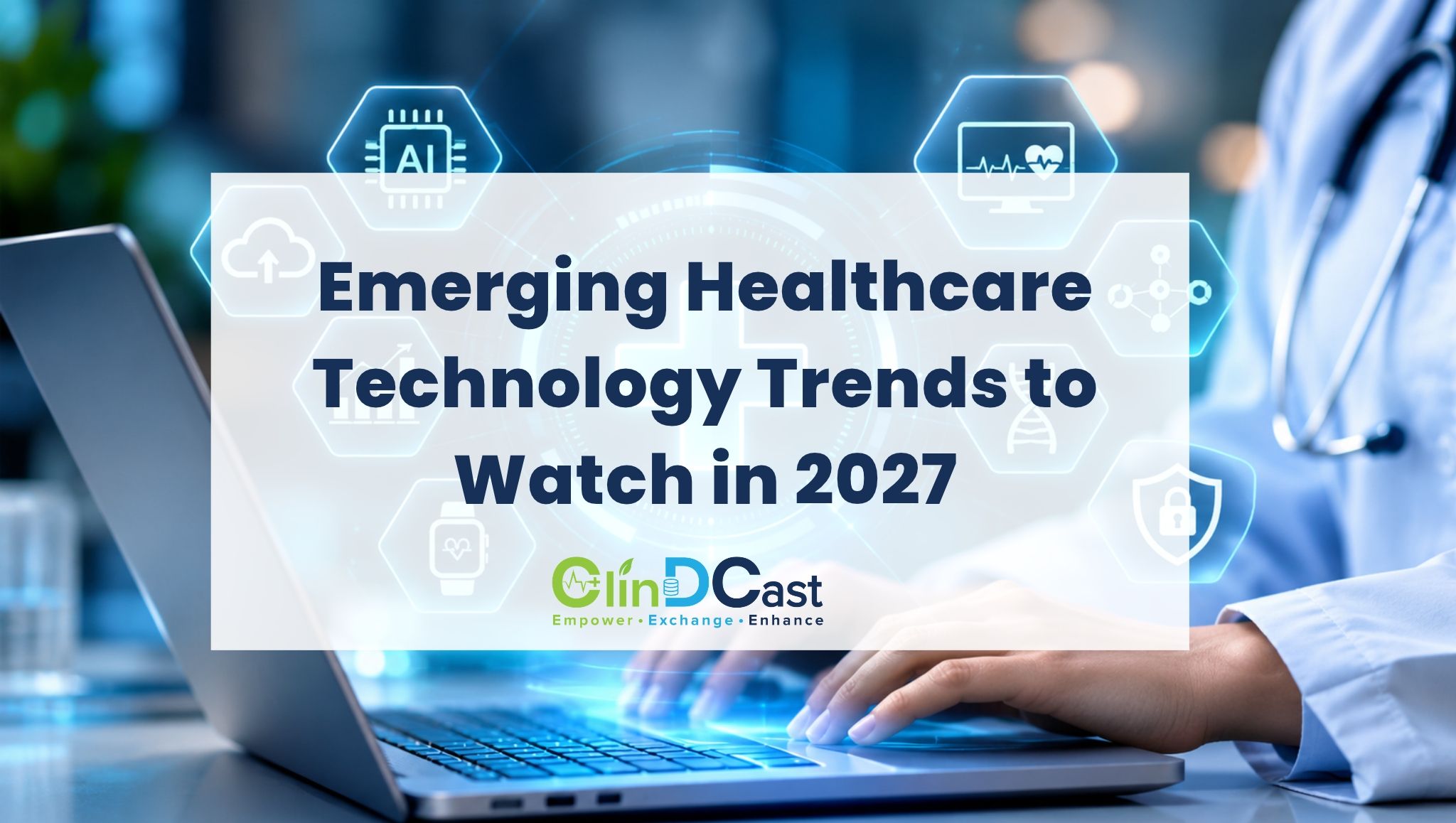
The healthcare industry is experiencing rapid digital transformation, driven by advancements in artificial intelligence, healthcare analytics, cloud computing, and connected medical devices. As technology continues to evolve, Emerging Healthcare Technology Trends to Watch in 2027 will play an important role in shaping how healthcare organizations manage patient information, improve clinical workflows, and deliver quality care.
From AI-powered healthcare solutions to advanced interoperability and remote patient monitoring, these innovations are creating new opportunities for hospitals and healthcare providers. Understanding these developments will help healthcare organizations prepare for a more connected, secure, and efficient digital healthcare environment.
1. Artificial Intelligence and Generative AI
Artificial Intelligence is being used to change the healthcare industry, including clinical documentation, image analysis and automating tasks. In 2027 Generative AI will be fully integrated.
AI tools can be used to help doctors create summaries of notes, create clinical notes, find patterns in health and reduce the amount of admin work. This can increase efficiency and help healthcare professionals focus more on patient care. However, it needs to be done responsibly.
2. FHIR and Healthcare Interoperability
Healthcare interoperability will remain an important factor in 2027. Healthcare organisations often use multiple EHR’s, lab systems and clinical systems that need to communicate.
Fast Healthcare Interoperability Resources (FHIR) helps standardise the way healthcare information can be shared via APIs.
Using FHIR with HL7 can create better exchange of patient data, connect healthcare systems, reduce information silos, and help provide coordinated care. Interoperability will continue to be a key factor in successfully digitally transforming healthcare.
3. Predictive Analytics in Healthcare
Predictive analytics employs data analytics and machine learning to discover patterns and possible risk factors for health. Information can be gained from EHRs, diagnostic tools and monitoring systems to give insight.
In 2027, predictive analytics will be used to assess risk of patients, predict readmission into hospitals, manage population health and plan resources, allowing providers to make informed decisions and create a more proactive approach to healthcare.
4. Remote Patient Monitoring and Wearable Technology
Remote Patient Monitoring (RPM) allows patient monitoring using connected devices to help clinicians manage patients out of a traditional setting.
Wearable technology can collect data including Heart Rate, Blood Pressure, Glucose Levels and Oxygen Levels. Integration with EHR systems can help clinicians better manage patient monitoring data. Remote patient monitoring will continue to have benefits for managing long term conditions, recovery after surgery and ongoing patient monitoring.
5. Cloud-Based Healthcare Solutions
Cloud computing is becoming a key component of today’s health care infrastructure offering flexibility and scalability in managing health care applications.
Health care organisations are looking to cloud-based solutions for handling EHRs, data storage, application integration, enterprise analytics and disaster recovery.
Robust security measures, access control and regulatory compliance can ensure successful cloud adoption.
6. Cybersecurity and Healthcare Data Protection
Keeping patient data safe will continue to be a crucial concern in 2027. As digital connections increase, so will the cyber threats.
Organisations will look to focus on increasing encryption, multi-factor authentication, threat detection technologies, zero trust and monitoring.
This is a key factor to ensure patient data is secure and can keep healthcare running smoothly.
7. Digital Twins in Healthcare
Digital twin is a virtual representation of a physical system or biological structure. In healthcare, digital twin may be used to understand disease processes, how treatments respond and to enable personalisation.
Whilst there are many examples of patient specific applications being developed, the technology can have great potential for clinical research, precision medicine and healthcare.
8. Robotic Process Automation
Robotic Process Automation (RPA) can be used to automate repetitive, administrative tasks within the healthcare industry such as patient registration, billing, claims and data entry.
When combined with artificial intelligence, intelligent automation can help to simplify processes, reduce manual processes and increase efficiency.
9. Personalized Medicine and Healthcare Analytics
Personalised medicine is about creating tailored approaches to patient care based on their individual attributes, medical history and genetics.
With developments in genomic, AI and data analytics it is becoming possible to provide more targeted diagnostics and treatments. To achieve this, data will be key and integration of clinical, lab and genomic data will be important.
10. Virtual Healthcare and Hospital-at-Home
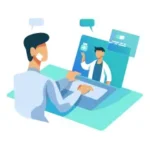
Telehealth and hospital at home initiatives are broadening the way that health care is delivered.
Patients can now be supported by health professionals using connected medical devices, video consultations and remote patient monitoring systems. This can increase access to healthcare and improve continuity.
Powering the Future of Healthcare with ClinDCast
As healthcare technology continues to evolve, having the right technology partner is essential for successful digital transformation. Healthcare organizations need reliable IT solutions, seamless interoperability, secure data management, and optimized EHR systems.
ClinDCast helps healthcare organizations navigate these challenges through specialized healthcare IT consulting services, including:
- EHR Services: Implementation, optimization, and support for electronic health record systems.
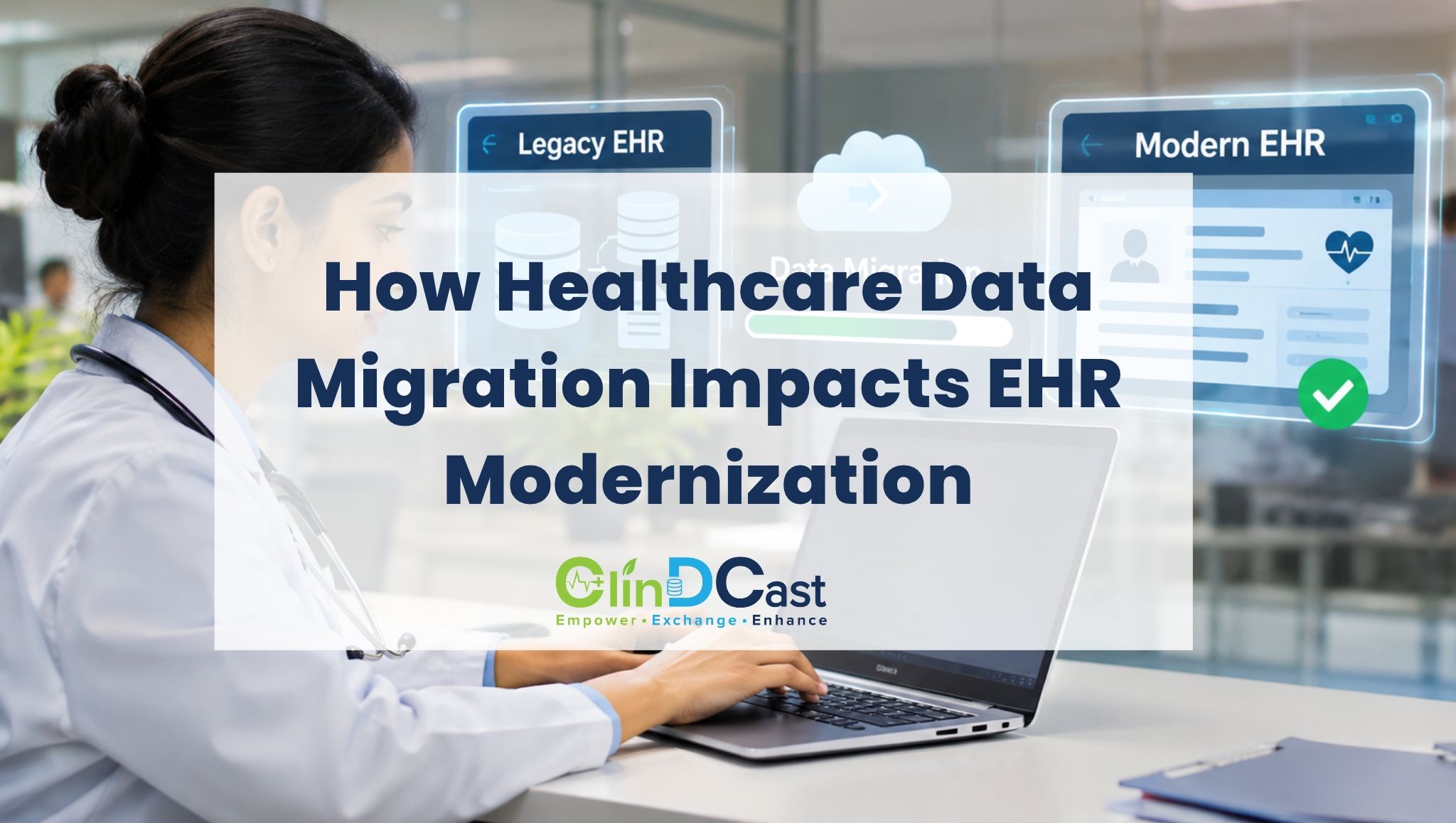
- Healthcare Data Migration: Reliable data conversion and migration solutions supporting EHR modernization.
- Interoperability Solutions: HL7, FHIR, and API integration for seamless healthcare data exchange.
- Epic Consulting Services: Specialized consulting for Epic implementation and optimization.
- Managed Services: Ongoing technology support to improve healthcare IT operations.
At the core of our business is healthcare innovation. We help organisations create connected scalable healthcare solutions.
Work with us to turn your healthcare tech problems into opportunities for innovation.